Diamond Engagement Rings
 Sapphire Engagement Rings
 Emerald Engagement Rings
 Ruby Engagement Rings
 Rings
Rings
 Earrings
 Necklaces
 Brooches
 Bracelets & Bangles
 Cufflinks
 Pendants
 Chains
 Tie Pins
 Lockets
 Charms
 Signet Rings
 Seals
Seals
 Curiosities
 UK / £
 USA / $
 AU / $


 Experts since 1975

-

Your Shopping Bag is empty

 Free Worldwide Delivery
 View All
 Diamond
 Sapphire
 Emerald
 Ruby
Ruby




Antique Bee Brooches: History, Symbolism and What to Look For
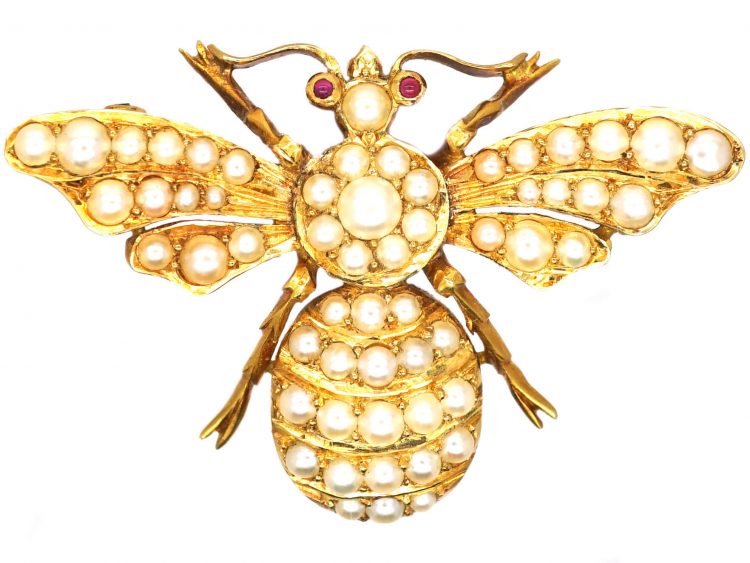
Few small jewels have had as long a career as the bee. It appears in Minoan gold nearly four thousand years ago, it was adopted by an emperor, and it became one of the most popular brooches of the late nineteenth century. It remains one of the pieces we are asked about most often at the Townhouse.
It is also a subject with more nonsense written about it than most, so here is our view of the history, and more usefully, what separates a good antique bee from an ordinary one.
From Minoan gold to Napoleon’s emblem
The best-known ancient example is the Malia pendant, a Minoan gold jewel of two bees (or possibly wasps) clasping a honeycomb, made on Crete around 1800 BC. The bee’s association with industry, order and sweetness runs through Greek and Roman writing, and it has never really left European decoration since.
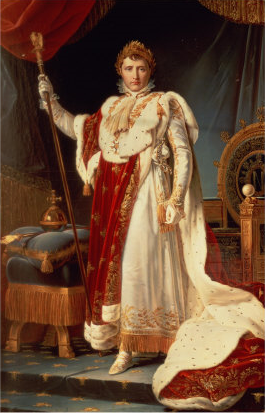
The moment that matters most for jewellery, though, is 1804. When Napoleon crowned himself Emperor he needed symbols that owed nothing to the Bourbon fleur-de-lis, and he chose the bee. He took his cue from the small gold insects found in 1653 in the tomb of Childeric I, a fifth-century Frankish king, which were taken to be bees and read as the emblem of France’s earliest rulers. Napoleon’s coronation robes were scattered with gold bees, and the motif became shorthand for imperial France.
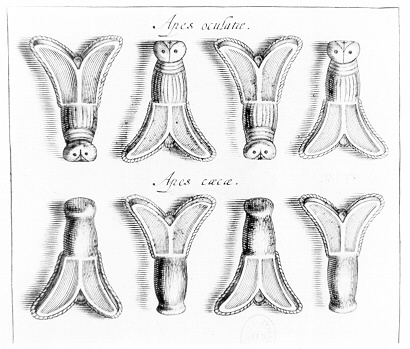
That lineage is why bees turn up in French jewellery throughout the nineteenth century, and why, in our view, a French bee carries a little more history than most.
The Victorian and Edwardian bee
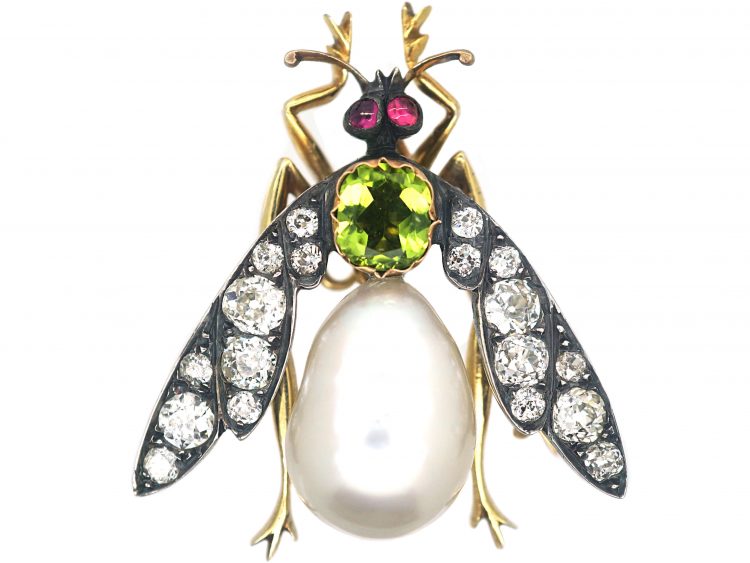
In Britain, the bee’s great period came later. From the 1870s the fashion for naturalistic jewellery turned towards insects. Flies, beetles, dragonflies and bees were pinned to bodices, scattered across hats and worn in groups. The bee, with its neat shape and obvious symbolism of hard work, was a natural favourite of the age.
The typical late Victorian bee brooch is small, usually between two and three centimetres, and made in one of a few ways:
- Gold, often with silver-topped settings for the diamonds, so the white metal flatters the stones.
- Old mine or rose-cut diamonds for the wings and body.
- Rubies, garnets or demantoids for the eyes, and sometimes a pearl or a coloured stone for the body.
- Occasionally en tremblant, with the wings set on fine springs so they tremble with movement.
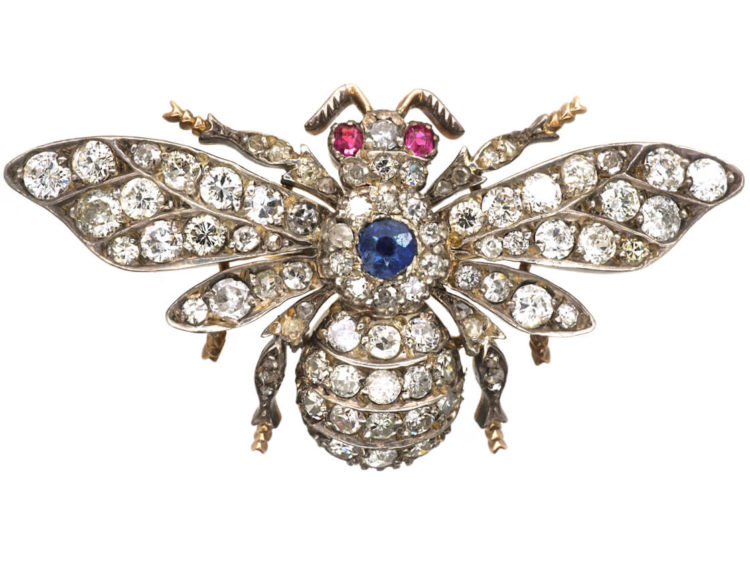
In the Edwardian years platinum replaced silver-topped gold, and the bees became lighter and more delicate. By the Art Nouveau period, jewellers such as René Lalique were treating insects as subjects for enamel and glass rather than diamonds. Those pieces sit in a different category altogether.
What we look for
We buy bee brooches regularly, and the difference between a good one and an average one is usually visible within a few seconds. This is what we check:
The modelling. A well-made bee has life in it: the wings set at a slight angle, the body with some shape to it, the proportions right. Flat, stiff bees are common, and rarely worth a premium.
The stones. Rose and old mine cut diamonds should look hand-cut and slightly irregular. Perfectly uniform modern brilliants on a “Victorian” bee are a warning sign.
The back. This tells you more than the front. Look for hand-finished settings, a pin and catch appropriate to the date, and sensible wear. A long pin projecting beyond the body with a simple C-catch suggests an earlier piece. A safety catch generally points to the twentieth century, or a later replacement.
Marks, or the lack of them. Many Victorian brooches were never hallmarked, so an unmarked bee is not a concern in itself. We judge the construction first.
Condition. Replaced stones are common and acceptable if they’re sympathetic. Heavy solder repairs across the wings or body are not.
Reproductions are plentiful, particularly cast bees set with synthetic stones and finished to look old. Cast pieces tend to have soft, slightly blurred detail and a uniform surface. A handmade bee has crisper edges, and small variations you only notice under a loupe.
Our view
Bee brooches are among the most wearable antique jewels there are. They’re small enough for everyday wear, on a lapel, a collar, a scarf or a hat, and a group of two or three worn together is far more striking than a single larger brooch.
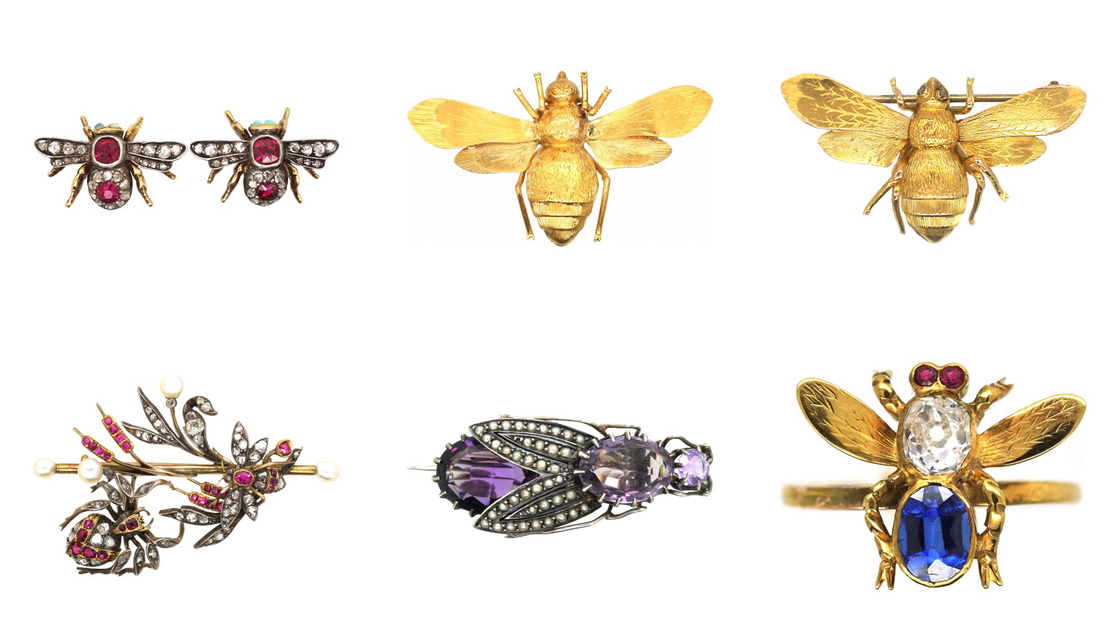
If we were buying one for ourselves, we would choose a diamond-set gold and silver bee from around 1880 to 1900, with ruby or demantoid eyes and good modelling. That’s the classic period, and the best examples have a charm that later versions rarely match. We’d pay more for quality of making than for size.